


Premium Cold Foil & Hot Stamping for Luxury Label Finishing
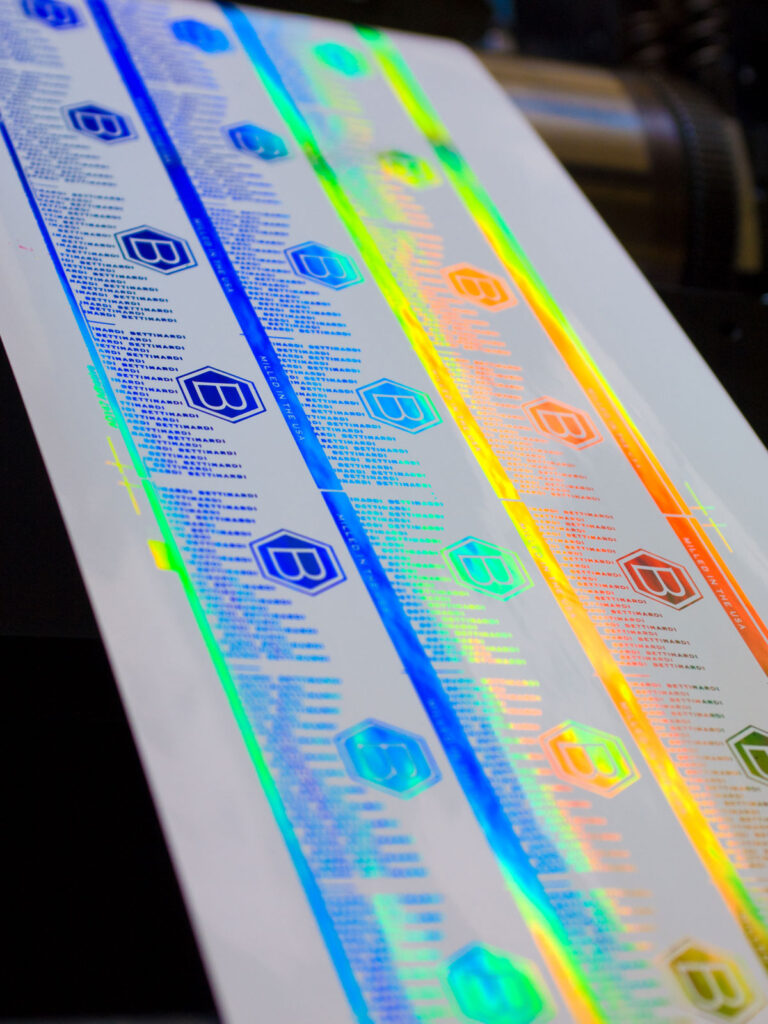
Add shine and security to your products. For a statement that oozes “high-end,” choose cold foil or hot stamping as a label enhancement. They are two popular techniques used to add metallic, holographic, iridescent, pearlescent, textures or other special effects to labels. These label enhancements can enhance the aesthetics of wine and spirits bottles, cosmetic packaging, health and beauty aids (HBAs) and other products, or be used for product authentication or security.
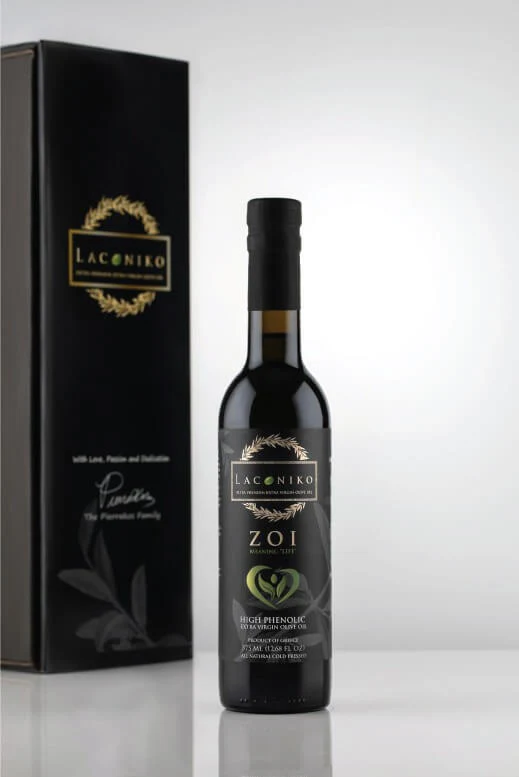
Select an elegant satin finish, glittery or holographic image. With varying shades of gold or silver, as well as holographic, transparent and security cold foils, it’s simple to add a touch of elegance to:
- Wine and spirit bottles
- Cosmetic packaging
- Health and beauty aids (HBAs)
These enhancements also offer security features such as:
- High-resolution digital background.
- Cold foil security
- High Refractive Index Coating (HRIC)
- Multi-channel effects
- Microtext and nanotext
- True color
- Hidden images
Various techniques are available to customize a hologram to your market requirements. Your product also becomes more difficult to counterfeit, which strengthens your brand.
Let’s discuss how to make your something special look like something special!
Cold Foil vs. Hot Stamping: Which is Right for Your Brand?
Choosing between cold foil and hot stamping depends on your label material, the complexity of your design, and your total production volume. Both methods deliver a premium metallic finish, but they excel in different applications.
At-a-Glance Comparison
|
Feature |
Cold Foil |
Hot Stamping |
|
Best For |
Fine details, gradients, and high-speed runs |
Deep metallic brilliance and textured papers |
|
Tooling |
Uses standard flexo plates which have a lower cost |
Requires custom brass or copper dies which have a higher cost |
|
Substrates |
Works best on smooth, non-porous materials such as BOPP and other films |
Ideal for textured “Estate” papers and uncoated stocks |
|
Detailing |
Excellent for small text and intricate patterns |
Best for bold logos and “heavy” metallic looks |
|
Color Options |
Can be overprinted to create any metallic hue |
Limited to the specific foil colors available |
Technical Guidance for Procurement & Design
Pro Tip: If your brand requires a highly textured estate paper but you have a very intricate logo, we often recommend Hot Stamping for the primary branding and Cold Foil or metallic inks for the fine-print details.
Next Steps for Your Project
Still unsure which method fits your budget and aesthetic? Our technical team can review your artwork and provide a recommendation based on your specific substrate and volume requirements.
The Benefits of Metallic Foil Finishing for Premium Labels
- Enhance Appearance: When you need to add a touch of luxury and sophistication for a premium high-end appearance to elevate your brand’s image, or create visual interest
- Security: HRIC (High Refractive Index Coating), multi-channel effects, microtext and nanotext, true color, hidden images or a high-resolution digital background can increase brand protection, for product authentication and traceability
- Fade Resistance: Labels with these label enhancements are resistant to fading for long lasting colors and shine
- Durability: These processes result in labels that can withstand harsh environments, have some degree of chemical resistance, and resist scratching and peeling for long-lasting quality
- Versatility: Can be used on a variety of substrates, including paper, film, and synthetic materials
Precision Cold Foil Labels for Wine, Spirits, and Cosmetics and Other Industries
Cold foil labels are a versatile tool used across various industries to enhance product appeal, brand identity, and for brand security, to authenticate your products and distinguish from counterfeits. In the food and beverage sector, they add a touch of luxury to premium brands, while in cosmetics and personal care, they convey elegance and sophistication. The wine and spirits industry leverages cold foil to create distinctive labels, and luxury goods manufacturers use it to emphasize opulence. Even in the pharmaceutical industry, cold foil labels can enhance branding and security features.
Call us today about how you can use cold foil labels to add a touch of style, luxury, or even enhance security for your brand and products.
Frequently Asked Questions
Have a Question?
We would be happy to help you. Please reach out to our team.
Speak with One of Our Label Experts Today
All Fields Required