


Custom Braille and Tactile Labels for
CPG Brands & Pharmaceutical Packaging
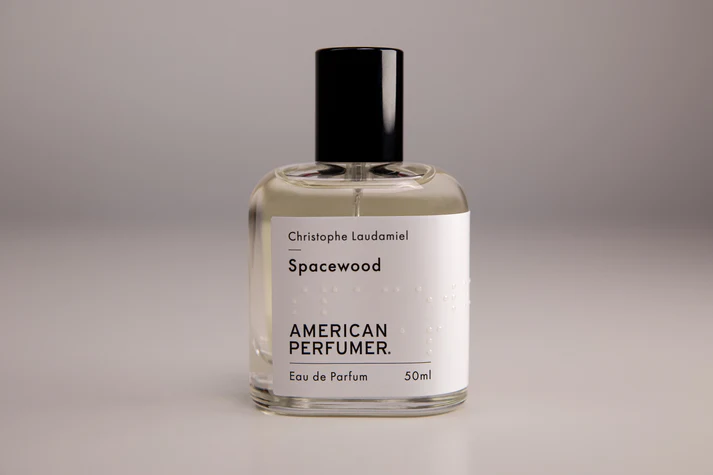
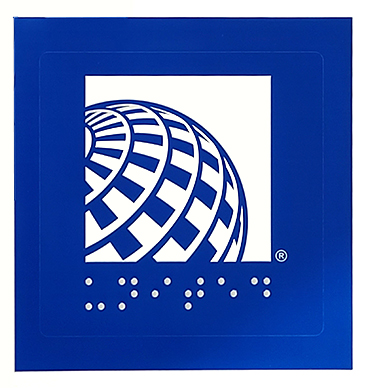
In the highly regulated worlds of Consumer Packaged Goods and Pharmaceuticals, your packaging must do more than just look the part—it must be accessible, compliant, and safe for every consumer. At Gallas Label & Decal, we specialize in high-precision Braille and tactile labeling solutions that meet the rigorous demands of ISO 17351 and BS EN ISO 11683 standards. By utilizing advanced UV rotary screen printing, we apply durable, transparent tactile features directly onto your existing designs without compromising visual integrity or production speed. Whether you are seeking to meet mandatory EU safety requirements or lead the market in CPG brand inclusivity, Gallas delivers the technical expertise and consistent quality required to protect your patients, your consumers, and your brand reputation.
High-Speed UV Rotary Screen Printing for Braille & Tactile Labels
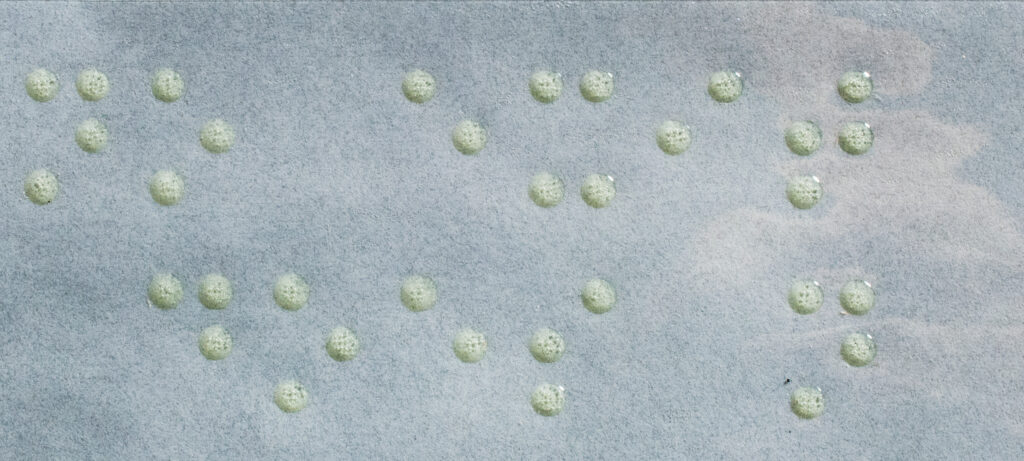
Maximize production efficiency without compromising on tactile quality. Our high-speed UV rotary screen printing technology is specifically engineered to handle the rigorous demands of high-volume CPG and Pharmaceutical label runs. Unlike traditional flat-bed screen printing or secondary embossing processes, our rotary system applies high-build tactile varnish dots inline and at scale. This allows for the precise deposition of transparent UV-cured varnishes—reaching heights of up to 280 microns—at speeds that keep pace with modern labeling requirements. By integrating the tactile layer directly into the primary printing pass, Gallas Label provides a seamless, cost-effective solution that ensures your Braille and ISO hazard warnings are consistently durable, audit-ready, and delivered on time
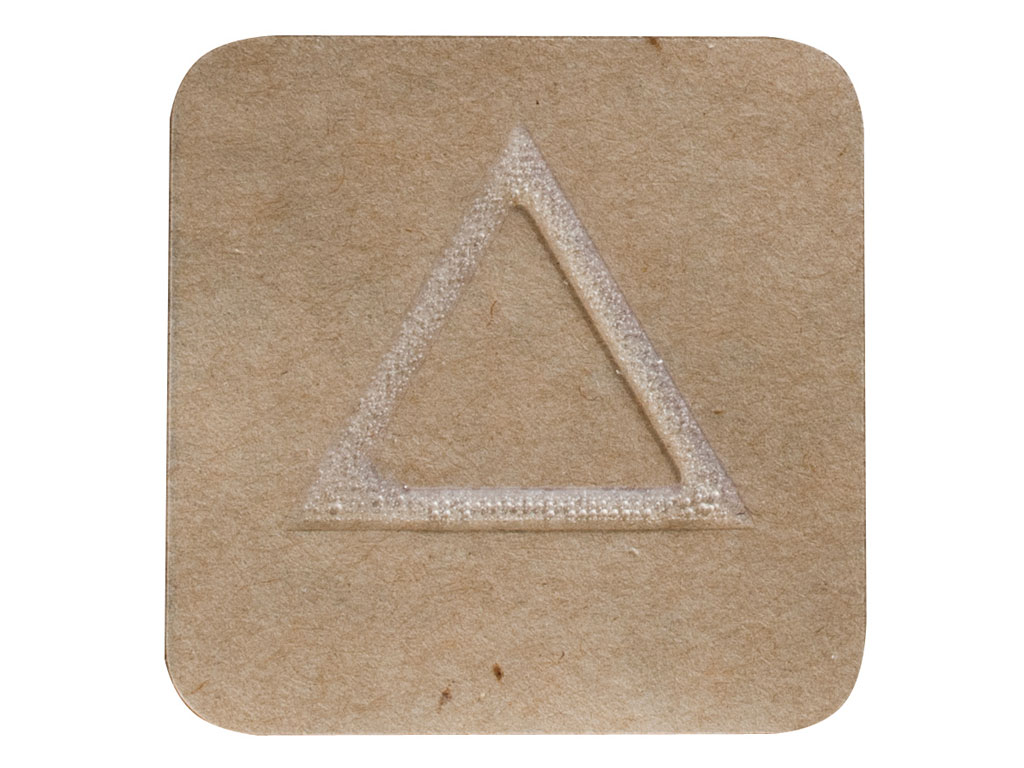
ISO 11683 Triangle Tactile Warning Labels for Chemical & Hazardous Packaging
Ensure global safety compliance and mitigate liability with Gallas Label’s BS EN ISO 11683:1997 regulated tactile warning triangles. Designed for the chemical, industrial, and pharmaceutical sectors, these mandatory 3-point tactile symbols provide a critical ‘failure to warn’ safeguard for the visually impaired. Unlike standard stickers that can peel or flatten, our hazard warnings are applied using high-build UV rotary screen printing, ensuring the tactile equilateral triangle maintains its regulatory height and crisp edges even on curved surfaces or in harsh chemical environments. Whether you are labeling household cleaners, automotive fluids, or hazardous OTC products, Gallas provides the technical precision required to meet stringent EU and international safety standards without compromising your packaging’s visual integrity.
Custom Braille & Tactile Labels for CPG Inclusivity
Elevate your brand and secure consumer loyalty with custom Braille labels designed for 21st-century inclusivity. As CPG brands increasingly adopt universal design, adding tactile accessibility allows you to reach a growing market of over 30 million visually impaired consumers globally. At Gallas Label, we utilize high-precision UV rotary screen printing to apply transparent Braille dots directly over your existing artwork. This additive process ensures your brand aesthetic remains 100% intact while providing a life-changing user experience. By integrating Braille into your product packaging, you aren’t just meeting a requirement—you’re differentiating your brand on the shelf and fostering a deep, inclusive connection with every customer.

Audit-Ready Compliance
Meet the most stringent global standards, including EU Directive 2004/27/EC, ISO 17351, and BS EN ISO 11683:1997. Our UV-cured tactile dots are engineered for regulatory precision, mitigating risk and demonstrating corporate responsibility.

Flawless Tactility
Our specialized tactile varnish layer creates uniform, highly-defined dots (up to 280 microns) that are easy to read and adhere perfectly, preventing bursting and compromise common with standard embossing.

Zero Design Compromise
Preserve your brand’s visual identity while adding accessibility. Our additive UV transparent varnish allows you to layer Braille and hazard warnings directly over existing graphics, text, and barcodes with 100% legibility. This means no changes to your existing label layout or graphics.

Versatility & Speed
Perfect for various CPG sectors: Food & Beverage, Health & Beauty Aids, Pharmaceuticals, and Household Goods. Our process is designed for fast, accurate application on a wide range of substrates.
Accuracy
Provide accurate, clear, and consistent information for the visually impaired across all products and services using labels adhering to the standard Braille code
Improve Safety
Can help the visually impaired read safety warnings and instructions on products
Case Study: Gallas Uses UV Rotary Screen Printing for
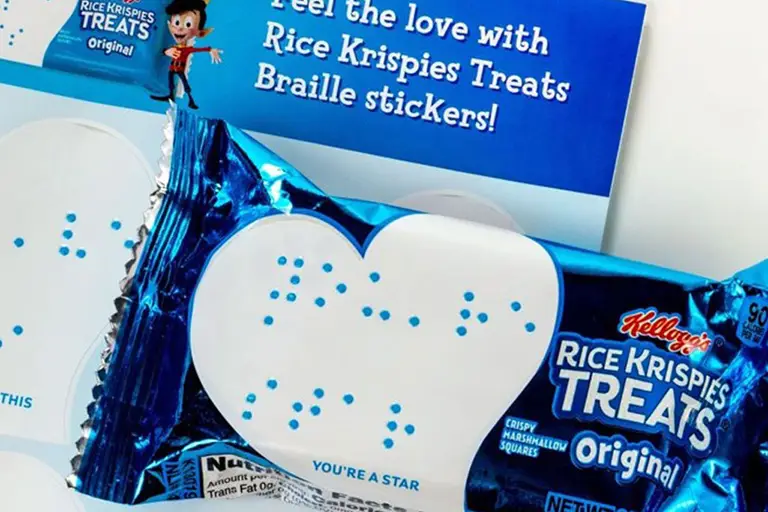
Kellogg’s Rice Krispie’s “Love Notes” Campaign
Watch the video below about how Gallas helped solve the accessibility challenge for Kellogg’s Rice Krispie’s “Love Notes” Campaign with UV rotary screen Braille labels.
Additional Links
Ready to Solve Your Braille & Tactile Compliance Challenges?
Whether you are launching a national CPG inclusivity campaign, navigating EU Pharma directives, or implementing ISO 11683 hazard warnings, our team is here to provide the technical roadmap.
Speak with a Gallas Label technical expert to ensure your next run is audit-ready and inclusive.
Call Us at 773.775.1000 or e-mail info@gallaslabel.com
Frequently Asked Questions
Have a Question?
We would be happy to help you. Please reach out to our team.
Get a Quote
All Fields Required